




What is rosacea?
Rosacea is a common skin condition that is often associated with increased redness, flushing, and sometimes bumps or pimples on the face. Some individuals describe their rosacea as persistent redness, similar in appearance to a sunburn that doesn’t fade. Others may notice small visible blood vessels on the face, usually on the cheeks and sometimes the chin and nose. It is a chronic, inflammatory skin condition that may have a hereditary link.
Certain activities or factors can trigger rosacea to flare up, such as sun exposure, stress, and certain foods. When flare-ups occur, this can be a source of discomfort and concern about one’s appearance, and in some cases, may cause physical discomfort.
At Shellharbour Skin, we offer consultations to help you understand and discuss the symptoms associated with rosacea. The goal is to explore appropriate management options that align with your skin and health needs. Dr Barney and his team provide a supportive environment, focused on education and informed decision-making..
Causes & symptoms
Facial redness is the most common sign of rosacea, and this redness can become more persistent over time. The skin can become thicker, sometimes affecting the nose. It can also cause a burning or stinging sensation. In one subtype of rosacea,In some forms of rosacea, the eyes may also be affected, appearing red, irritated, or gritty. In these situations, assessment by an optometrist or ophthalmologist may be recommended to ensure appropriate management. Many people find that their rosacea tends to change in appearance with age.
The condition affects roughly five percent of adults worldwide, and its onset is usually between 30-50 years of age. Although it can affect anyone, it is more common among people with fair skin. There are many different subtypes with different presentations on the skin, and as a result, rosacea should be managed on an individual, case-by-case basis. Many people with rosacea find that certain triggers may exacerbate their symptoms, such as:
- Sun exposure
- Stress
- Heat
- Alcohol
- Spicy foods
- Smoking
- Exercise
- Certain medications
- Certain skincare products
- Overheating at night
A medical professional will be able to assess your symptoms and diagnose the condition in order to explore appropriate management strategies with you.
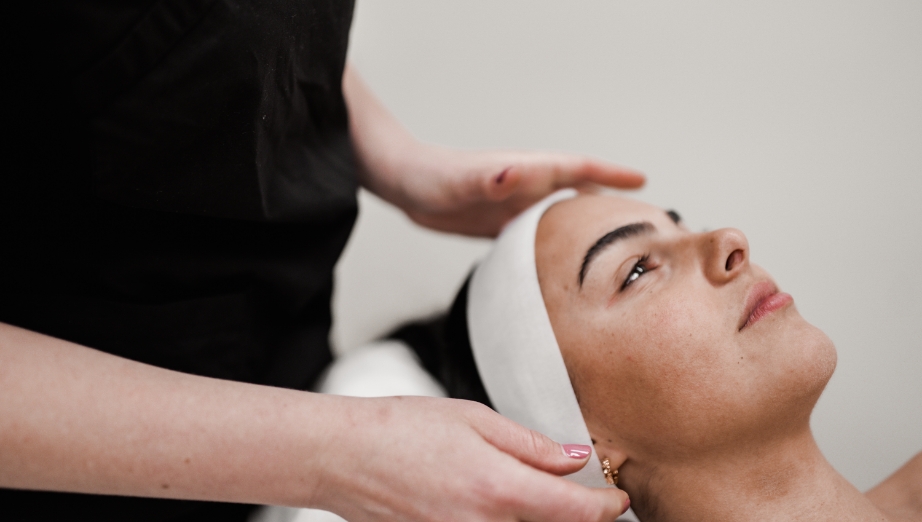
Rosacea consultation at Shellharbour Skin
Assessing the presentation and possible triggers of your rosacea is an important first step. At your consultation, Dr Barney will discuss your skin concerns, including any previous management approaches, lifestyle factors, and medical history. Understanding these details helps us explore options that may be suitable for you. We will talk through the process and ensure you feel comfortable and informed before proceeding with any plan.
Discussing Your Management Plan
At Shellharbour Skin, your clinician will guide you through possible options and provide balanced, evidence-informed information. All discussions will be tailored to your specific presentation and goals. Depending on your consultation, we may discuss:
Dermalux Tri-Wave LED
During your consultation, we may discuss how light energy at specific wavelengths is applied to the skin, what you can expect during a session, and its potential role within a broader management plan.
Broadband Light Therapy
This may also be discussed as an option for addressing redness or visible blood vessels. We will explain how the technology interacts with the skin, the expected experience during a session, and typical post-procedure considerations.
Prescription Medication
For some individuals, topical or oral prescription medications may be appropriate. These can only be prescribed by a registered medical practitioner following an assessment. Your clinician will discuss potential benefits, considerations, and suitability.
Cosmeceutical skincare
A consistent skincare routine, including gentle cleansing and daily sun protection, can help support the skin barrier. Your clinician can provide recommendations on appropriate ingredients, such as niacinamide, ceramides, and soothing botanical extracts, tailored to your skin type..
Aftercare and Ongoing Management
Following any session, the skin’s response is gradual and individual. Depending on your plan and skin type, your clinician will provide specific aftercare guidance. This may include avoiding sun exposure, excessive heat, or vigorous activity for a short period.
Aftercare discussions may also include the use of suitable skincare products to support comfort and barrier function. Gentle cleansers, hydrating moisturisers, and sun protection are commonly recommended components of post-procedure care.
If you are experiencing symptoms associated with rosacea, you can book a consultation at Shellharbour Skin to discuss your individual concerns and explore appropriate management options.
If you have a question, get in touch and one of our staff will be in touch shortly.



 Follow us in Instagram